16 Dec Sensational Sharks: History and Conservation of Sharks in North Carolina
Posted at 12:22h
in
Dun-dun...
Dun-dun...
During the summer months of the antebellum period, Eastern North Carolinians retreated to the coast to escape the outbreak of diseases, such as malaria. This summertime exodus spurred the development of second homes, rental properties, and hotels. While staying at the coast, tourists engaged in...
Using information gathered from whaling communities around the North Atlantic, Associate Curator of Education Christine Brin will discuss the history of women in the whaling industry. Their roles range from net mending to running stores to processing whale meat and occasionally even joining their husbands...
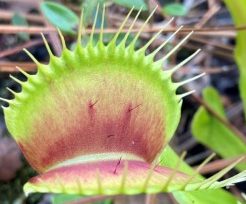
On April 2, 1759, a letter was penned that would rock the botanical world: the first documented description of the Venus flytrap. Tales of this tiny green predator from the pine savannahs of Southeastern North Carolina would sweep throughout Europe. Join North Carolina Maritime Museum...

Join Maritime History Curator David Bennett to learn about the protests of North Carolinians in 1765 and 1766 against a tax levied by Parliament on public papers (legal and commercial documents, newspapers, licenses, etc.). The political crisis resulted in the temporary closure of North Carolina’s ports,...
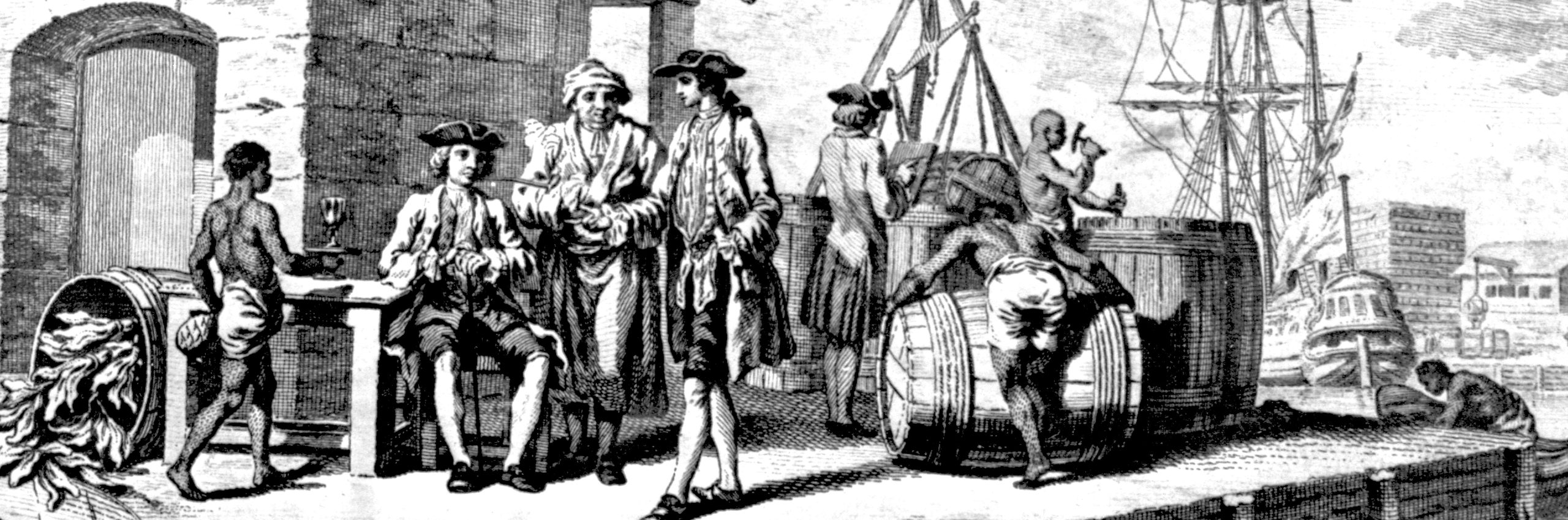
In colonial North Carolina, maritime law was enforced by the Vice-Admiralty Courts. Join Maritime History Curator David Bennett to learn about how the Vice-Admiralty Courts functioned, as well as their involvement in cases regarding smuggling, shipwrecks, prizes, and more. This program is part of the museum’s...
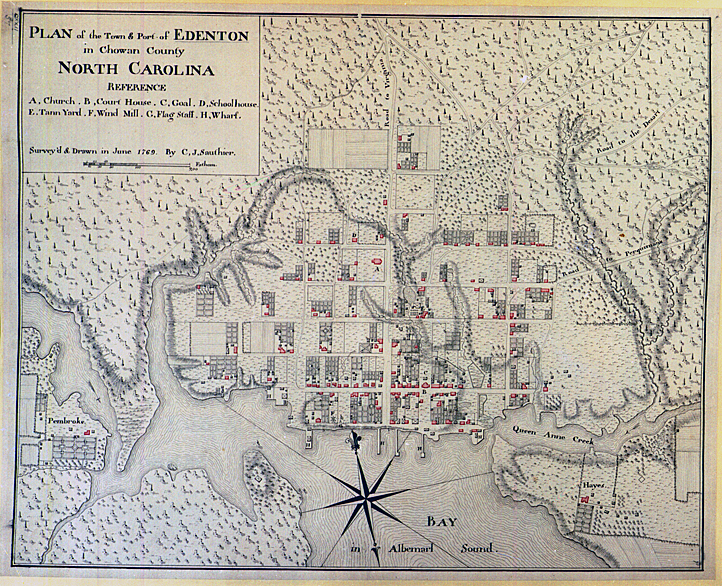
Join Maritime History Curator David Bennett to learn about the economic role of shipping in colonial North Carolina. In addition, the lecture will discuss the rise of ports and pilotage and how they facilitated economic development. This program is part of the museum’s Maritime Heritage Lecture...
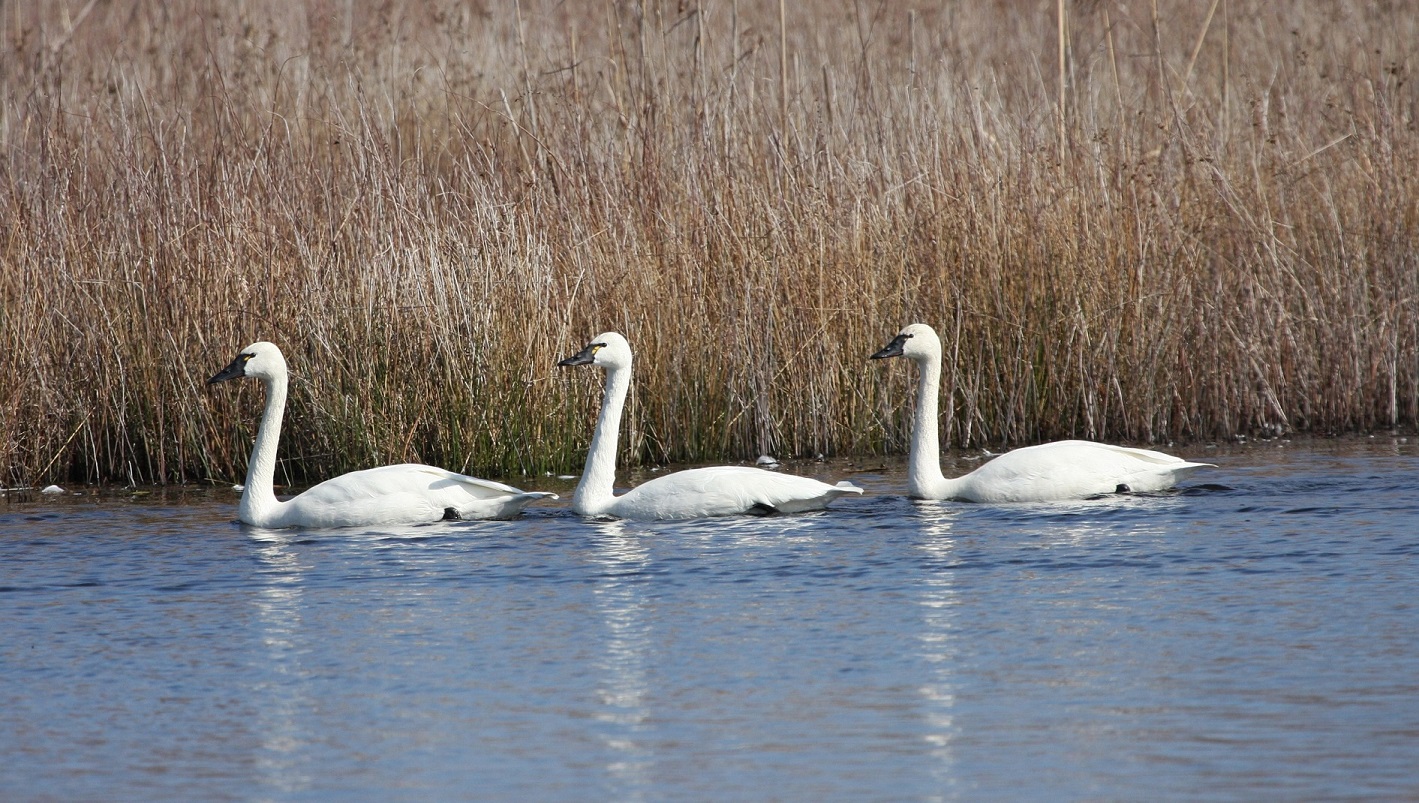
Observe wintering waterfowl at wildlife refuges and seashores in Eastern North Carolina and experience some of our unique coastal communities. Museum staff will lead the tour through remote and beautiful regions of Pamlico, Hyde, and Dare counties. This is an overnight adventure and requires pre-registration....
Join museum staff on a full-day tour to observe wintering waterfowl at Lake Mattamuskeet and Pungo Lake national wildlife refuges in Eastern North Carolina. Program fee is $50 ($45 for Friends of the Museum, which sponsors the program). The program primarily takes place outdoors and...
Observe wintering waterfowl at wildlife refuges and seashores in Eastern North Carolina and experience some of our unique coastal communities. Museum staff will lead the tour through remote and beautiful regions of Pamlico, Hyde, and Dare counties. This is an overnight adventure and requires pre-registration....