Some historians argue that the final battle of the American Revolutionary War occurred in Beaufort, North Carolina, in April of 1782. Join Associate Curator Christine Brin for a discussion of this dramatic event, complete with daring raids, burning ships, shoot outs, and kidnapping. This program is...

Ranked amongst the fiercest pirates from the “Golden age of Piracy,” Anne Bonny and Mary Read have stories that daytime TV could only aspire to. Join Associate Education Curator Christine Brin to learn about these women pirates. She will trace what is known about their...

Join Education Curator Courtney Felton to explore how North Carolina’s shipwrecks transform into thriving marine habitats and vital parts of our ocean ecosystem. This program is part of the museum’s Maritime Heritage Lecture Series, informal lectures focused on North Carolina’s rich maritime history, coastal environment, and...

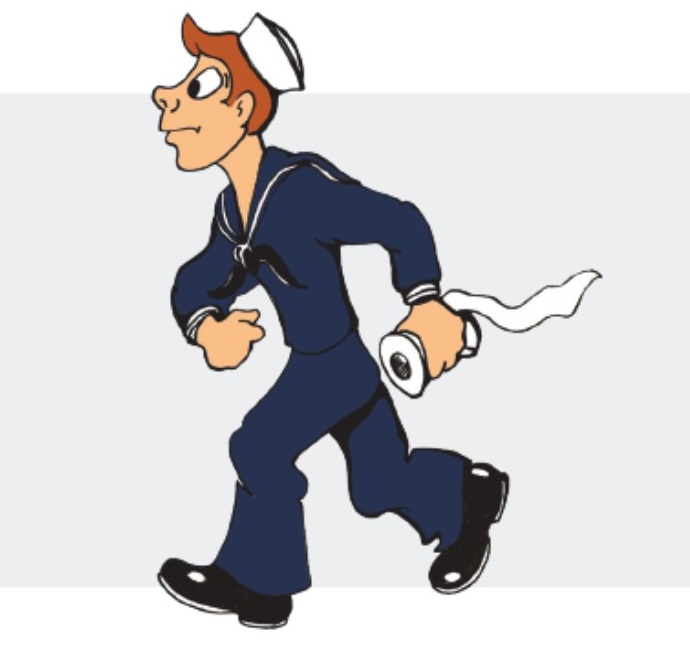
When nature calls, you must go! But where do you go while at sea? You may be surprised by the historical practices of something so basic as using the bathroom while on board a ship. Join Associate Curator of Education Christine Brin for an informative...

From 1776 to 1779, North Carolina established and maintained a small state navy. It also partnered with Virginia to finance and man two galleys to protect Ocracoke Inlet from British privateers. Join Maritime History Curator David Bennett to learn about how these projects started, what...

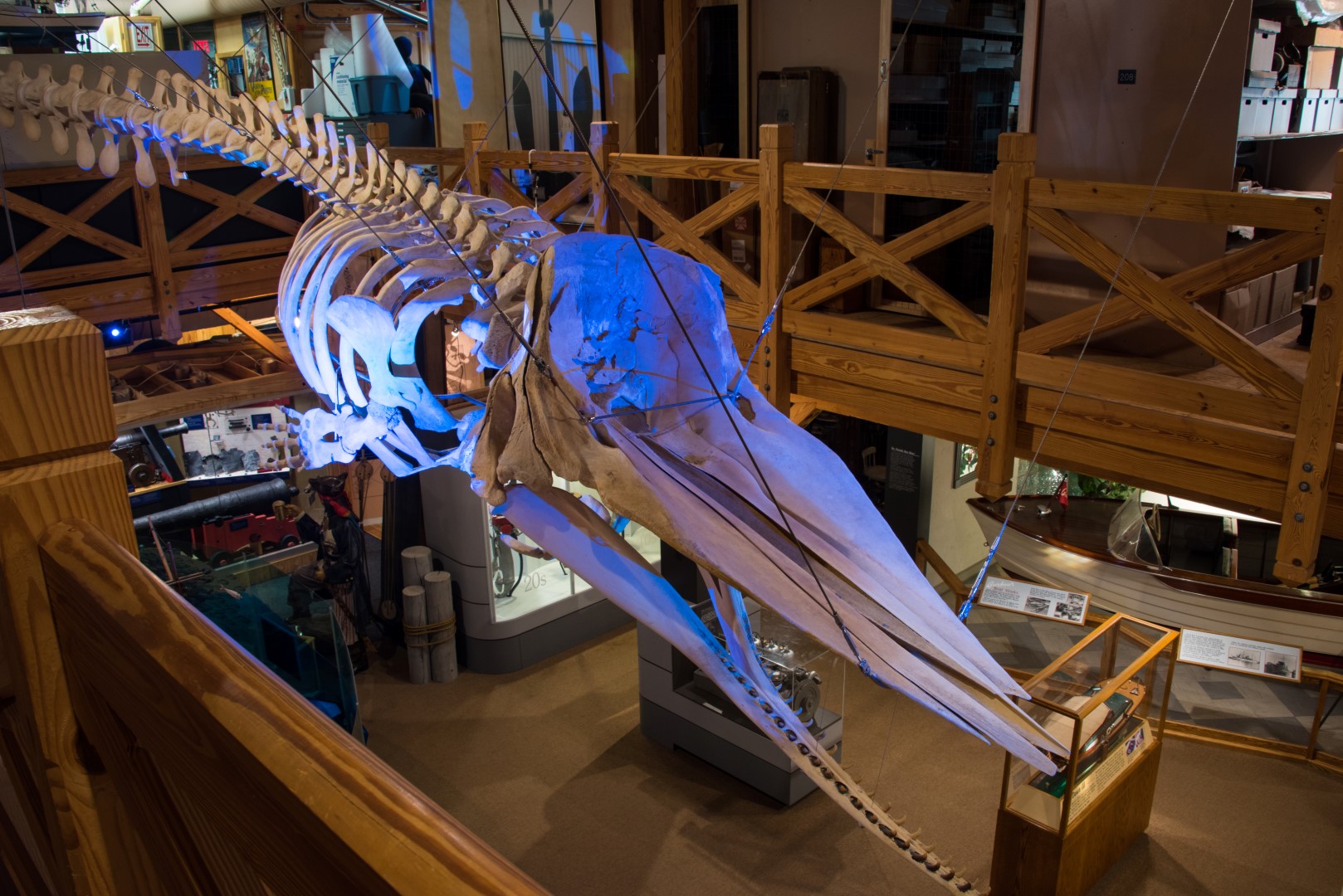
Join Natural Science Curator Keith Rittmaster for an informal discussion about “Echo” (the museum’s 33.5-foot sperm whale skeleton) and his heart.  When the adolescent male whale came ashore at Cape Lookout in 2004, his bones and heart were preserved for study and display. Keith will...

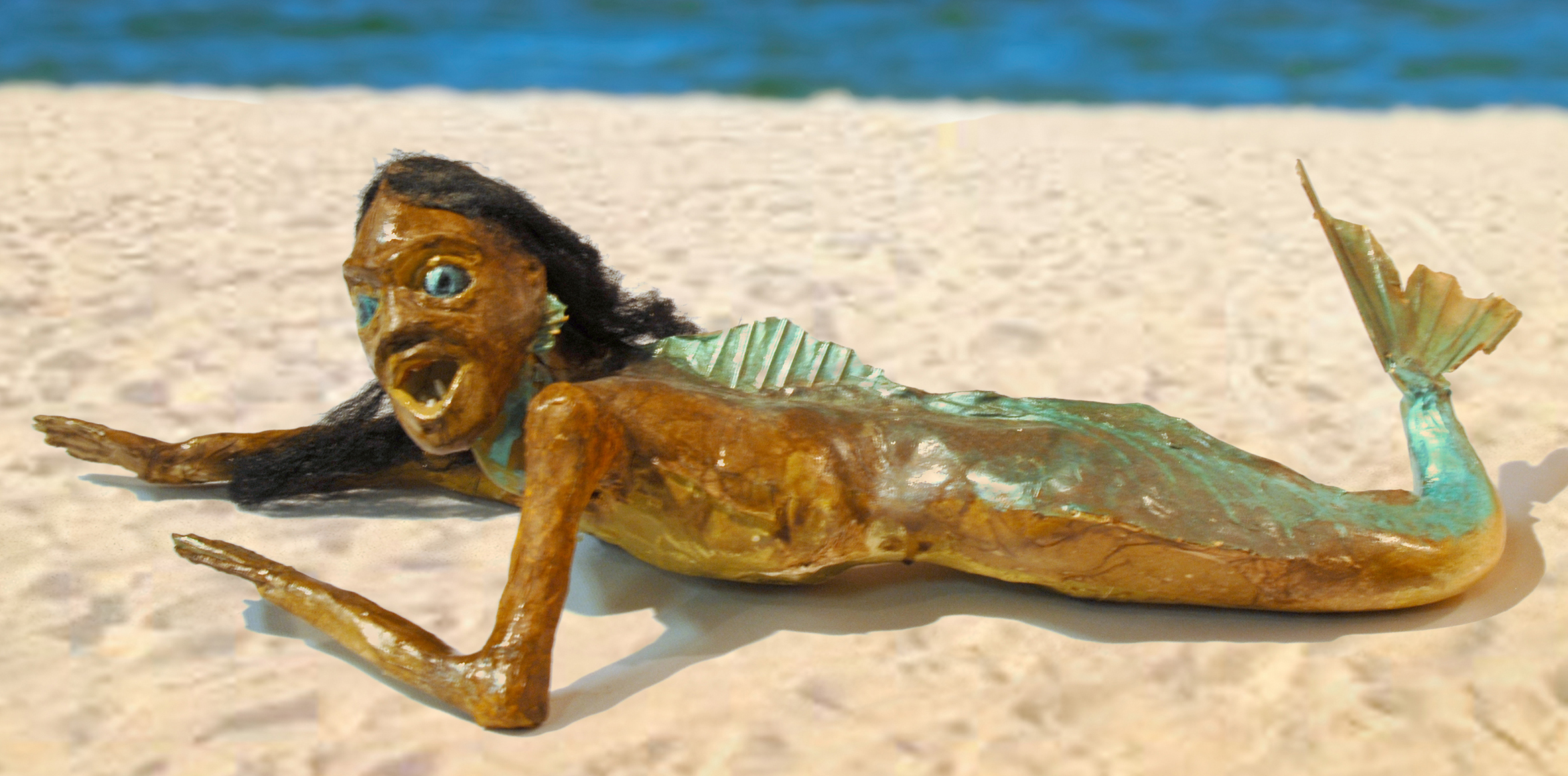
Legends and stories of sea monsters are almost culturally universal, with even landlocked groups of people telling tales of fantastic sea or water creatures. Join Associate Education Curator Christine Brin for a look at some of the most popular sea monsters and some of the...

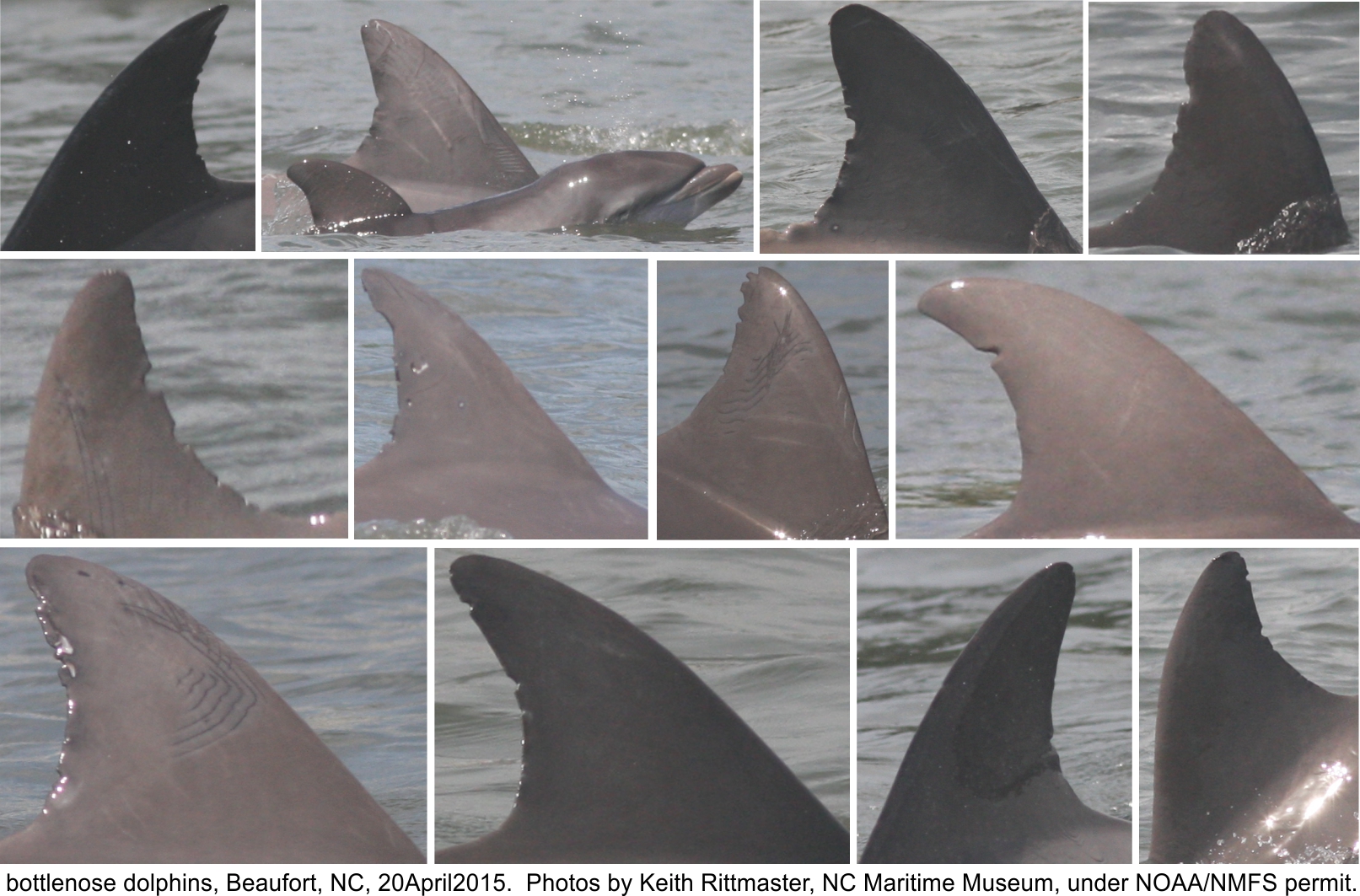
North Carolina has many species of whales that travel near our shores and sometimes strand on our beaches. This makes it ideal for biologists to study and promote the conservation and understanding of these endangered marine mammals. Join Natural Science Curator Keith Rittmaster to learn...