Using information gathered from whaling communities around the North Atlantic, Associate Curator of Education Christine Brin will discuss the history of women in the whaling industry. These roles included net mending, running stores, processing whale meat, and occasionally even joining their husbands at sea. Join...

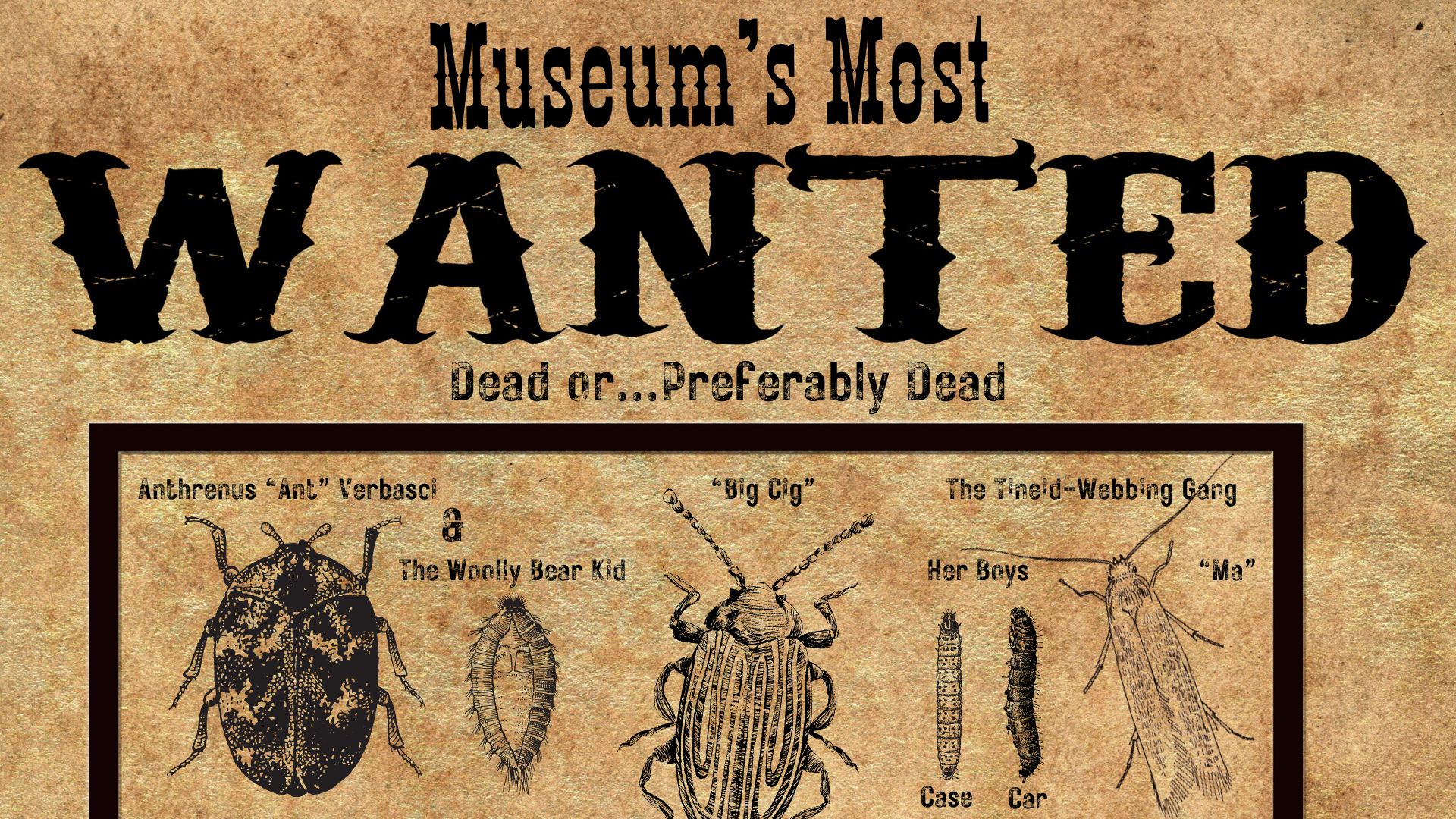
Many museum artifacts provide tasty treats for a variety of insects, animals, and fungi. A big part of museum conservation is preventing damage to our artifacts, which means knowing what’s eating your collection. Join museum Conservator Michelle Crepeau in this lecture about identifying common museum...

One of history’s secrets is just how close the war came to North Carolina’s coast.  Following the attack on Pearl Harbor, America’s military was stretched thin, depending on the service of civilians to help defend America’s East coast at the beginning of World War II....

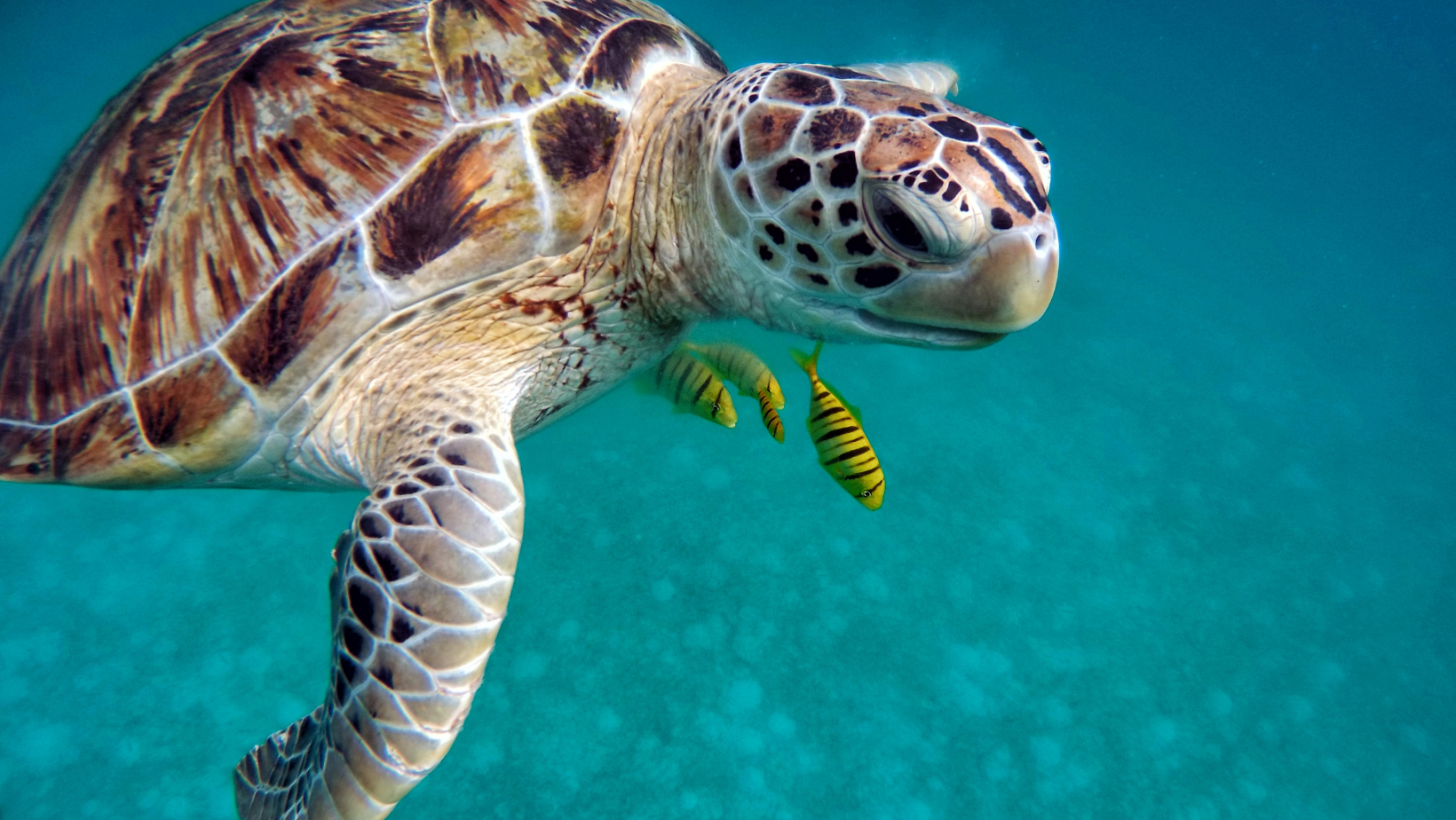
Spending only a brief time on land, sea turtles are quite different from most other turtles we know. From hatchling to adult, a lifetime at sea is no small task for these reptiles that grow so big. Join Natural Science Curator Keith Rittmaster on World...

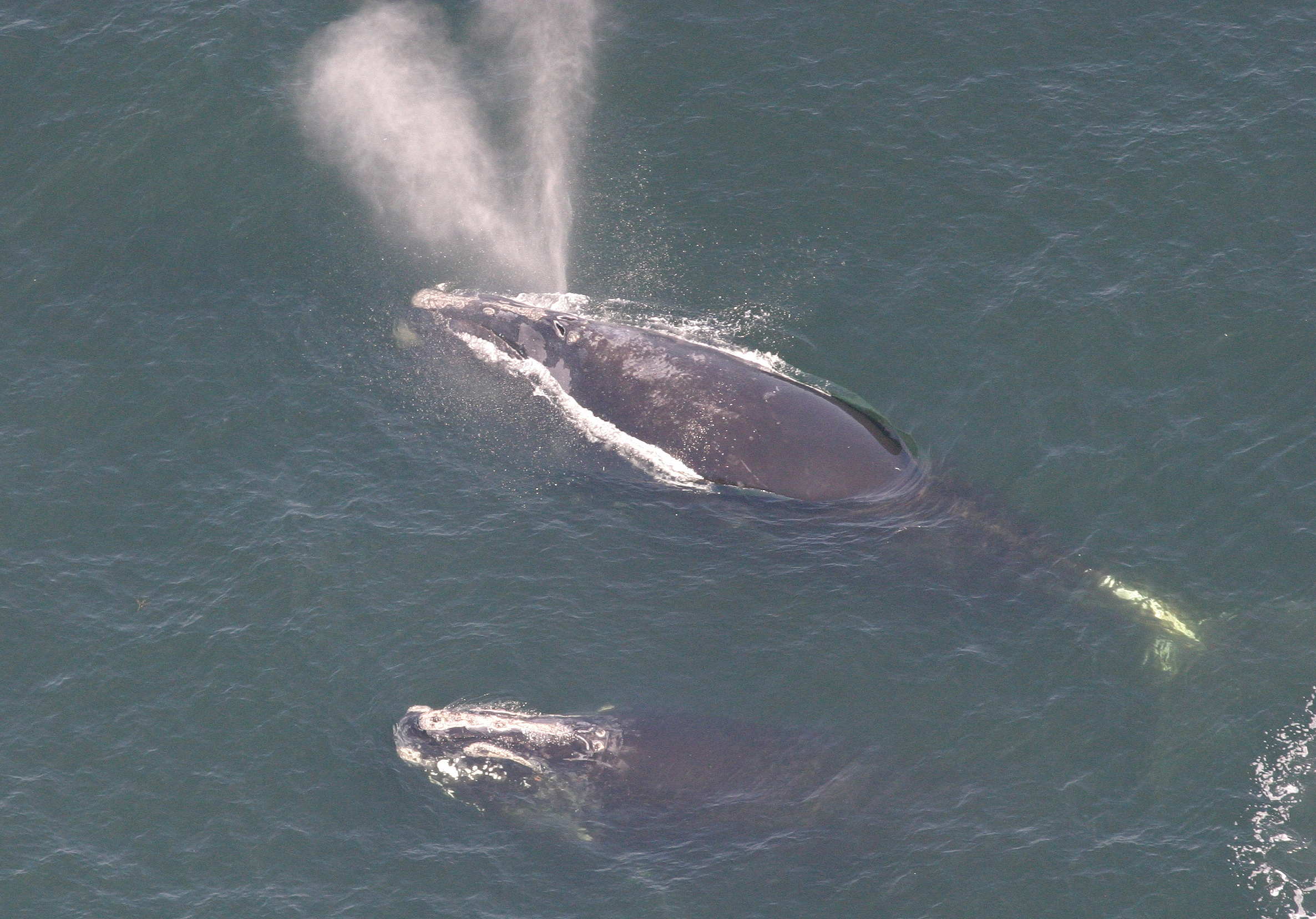
Dive into the world of whale and dolphin social dynamics during this presentation on the role the females of the species play in social interactions, including raising their young, babysitting, and even limiting bullying. Join Education Curator Courtney Felton to see if mother really does...

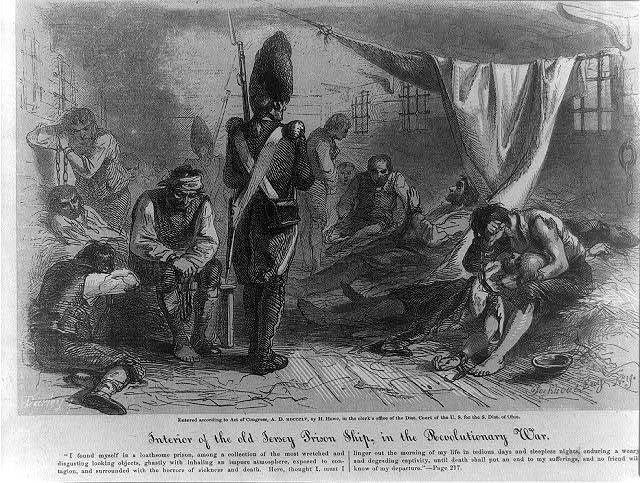
During the American War of Independence, many patriots who served on land and sea found themselves as prisoners of war. Some were in British prison camps while others were held aboard British prison ships. Join Maritime History Curator David Bennett as he details the captivity...

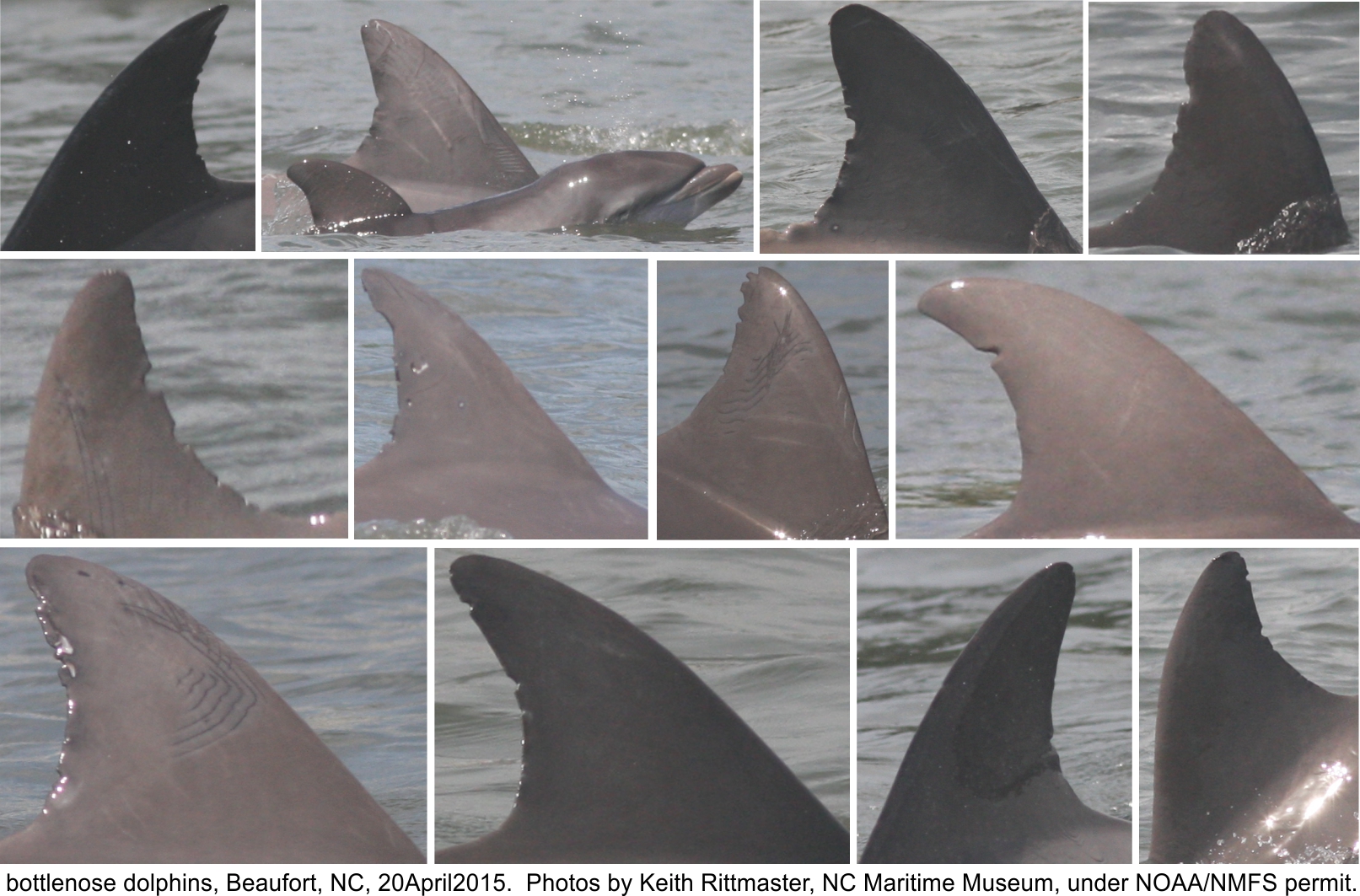
Bottlenose dolphins are seen in Beaufort year-round, but they’re not the same individuals. We’re learning a lot from photo-ID and stranding response. Join Museum Natural Science Curator Keith Rittmaster to learn about the biology, behavior, and conservation issues affecting "Beaufort’s Dolphins." This program is part of...

The oceans truly connect us all, from pole to pole and around the equator. The legend of the mermaid is a great representation of that connection, one that binds seafarers the world over. The half-human, half-fish creature has appeared in many cultures throughout time and...

Join Education Curator Courtney Felton to learn about the wreck of Caribsea, a casualty of World War II. On March 11, 1942, this cargo freighter was sunk by German U-boat 158 off Cape Lookout while heading from Santiago de Cuba to Baltimore, Maryland. This program is...

Acid-Base chemistry is fundamental to understanding archaeological conservation, both in terms of why some things deteriorate while others are preserved while buried in the ground. It also guides conservators in choosing the materials and treatments that they do. Join museum Conservator Michelle Crepeau as she...