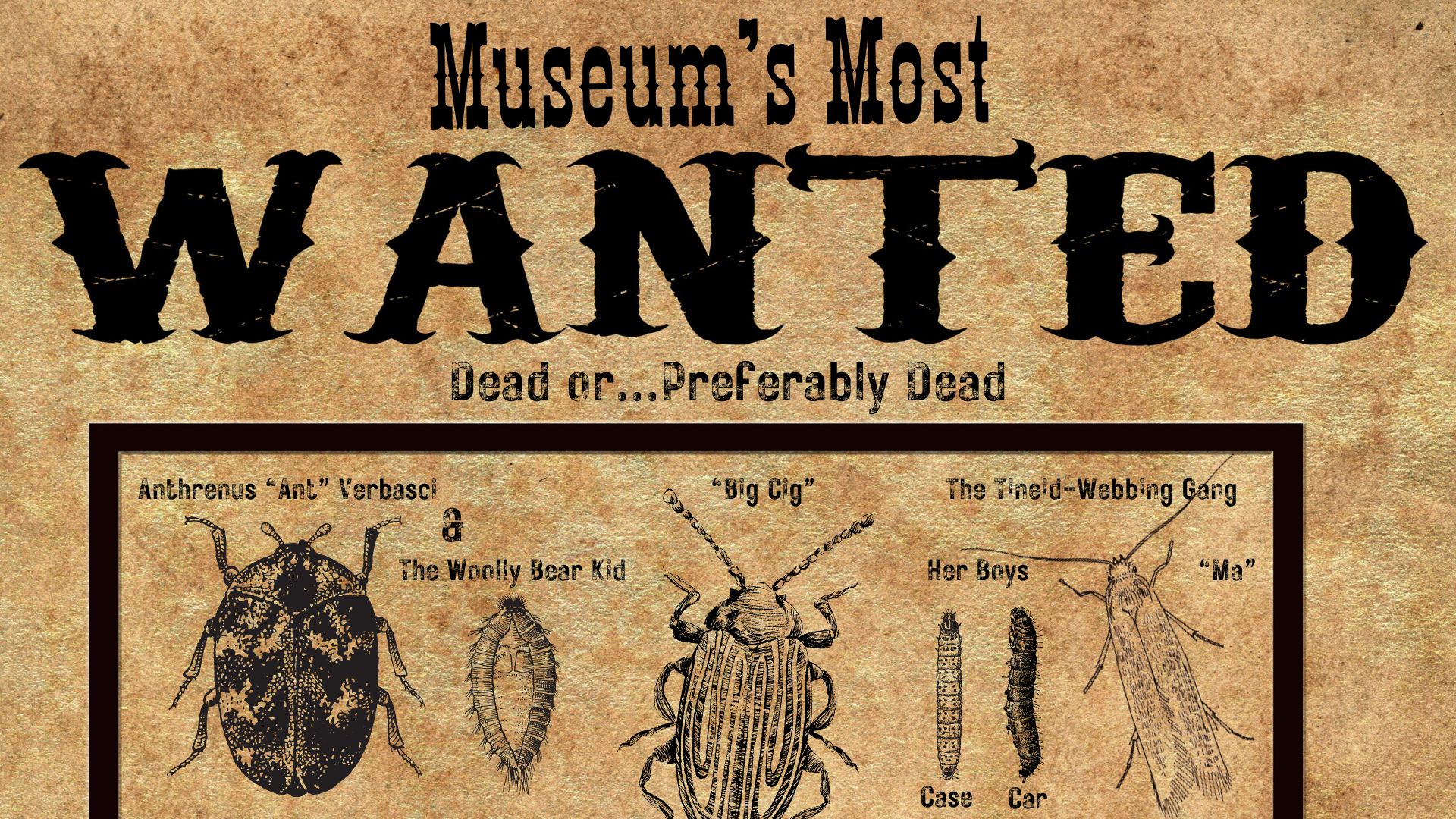
Many museum artifacts provide tasty treats for a variety of insects, animals, and fungi. A big part of museum conservation is preventing damage to our artifacts, which means knowing what’s eating your collection. Join museum conservator Michelle Crepeau for this lecture all about identifying common...

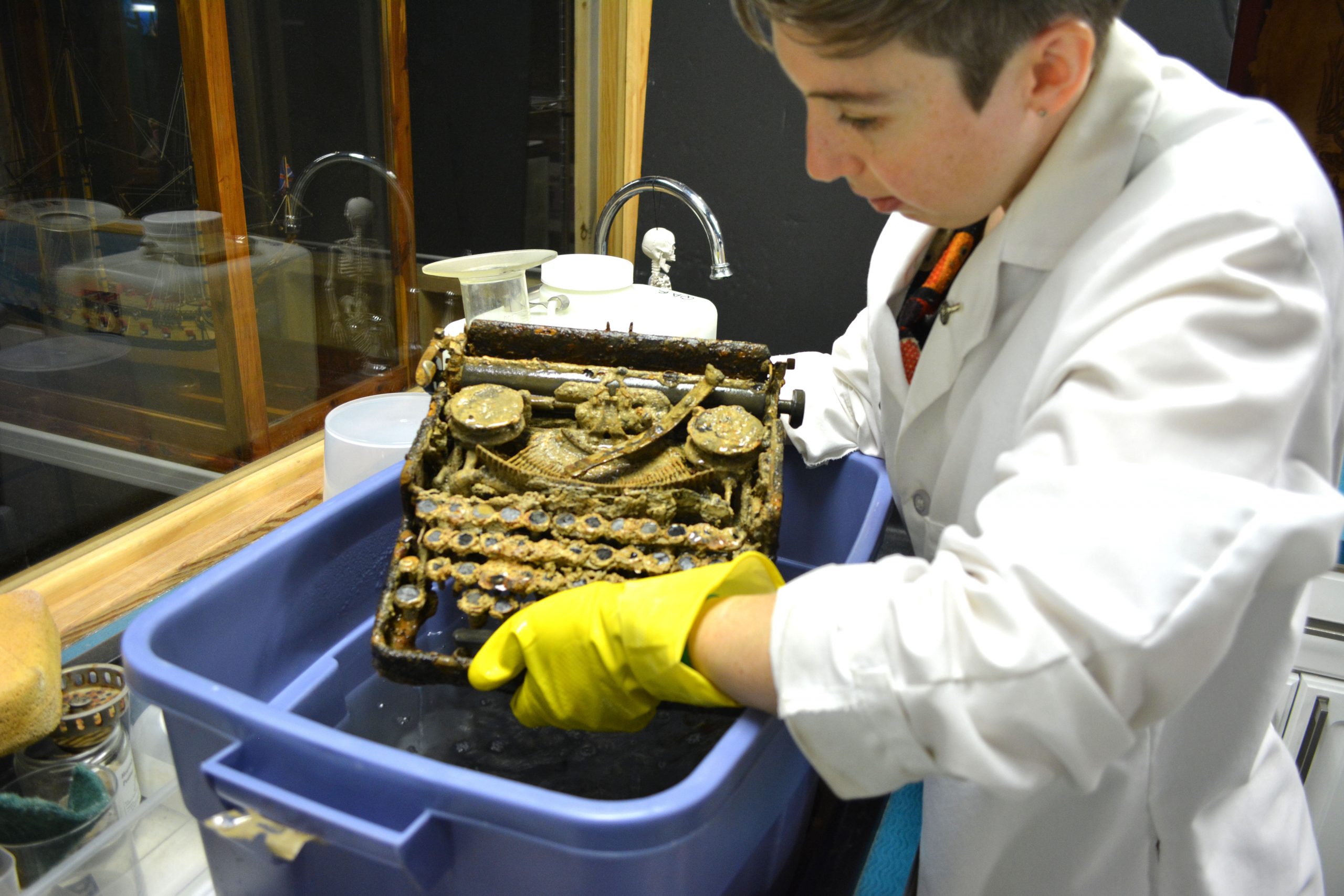
Join museum Conservator Michelle Crepeau as she discusses electrolytic reduction: what it is, how it works and why conservators use electrochemical reactions to clean and desalinate marine archaeological metals.  This program is part of the museum’s Maritime Heritage Lecture Series, informal lectures focused on North Carolina’s...

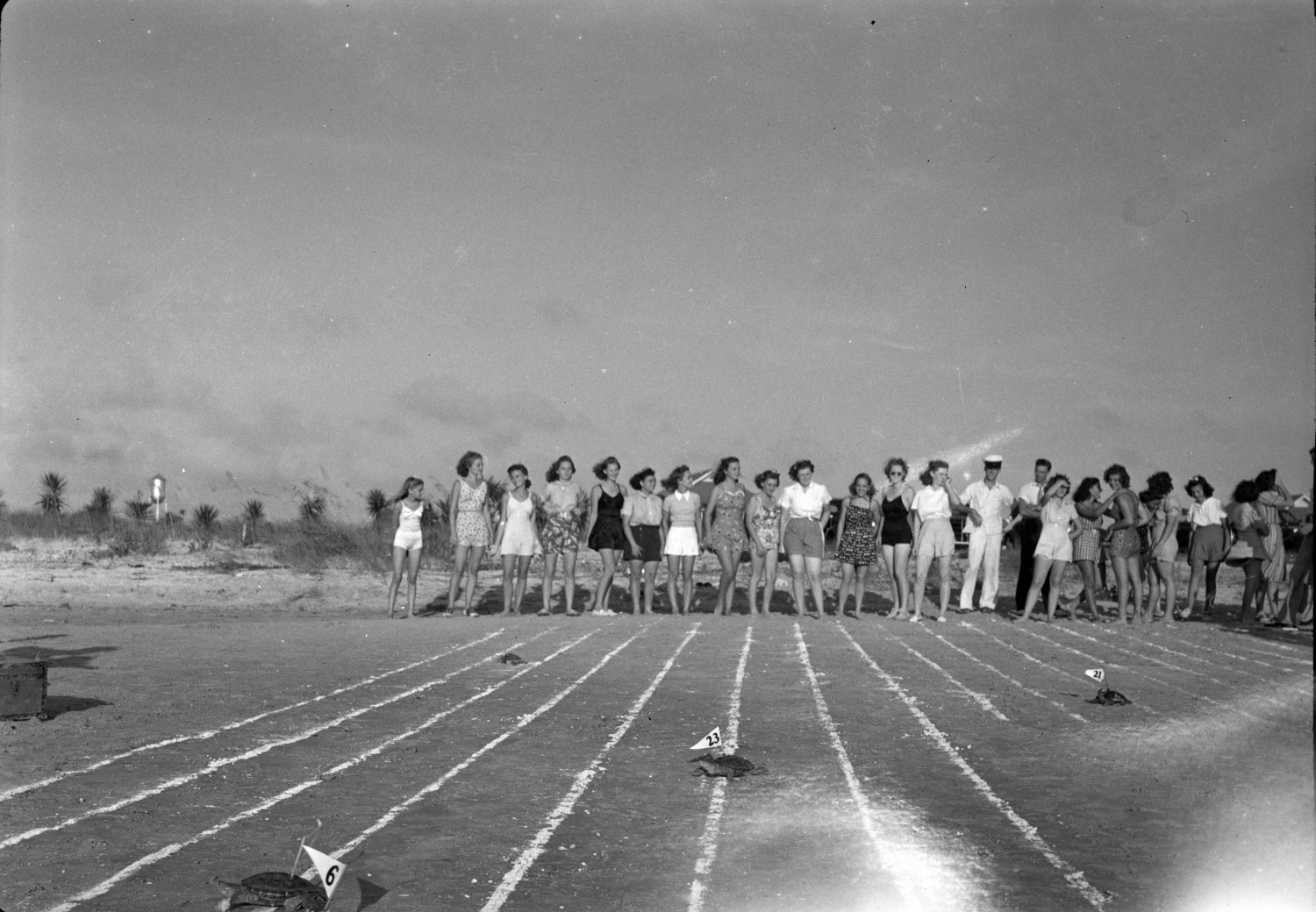
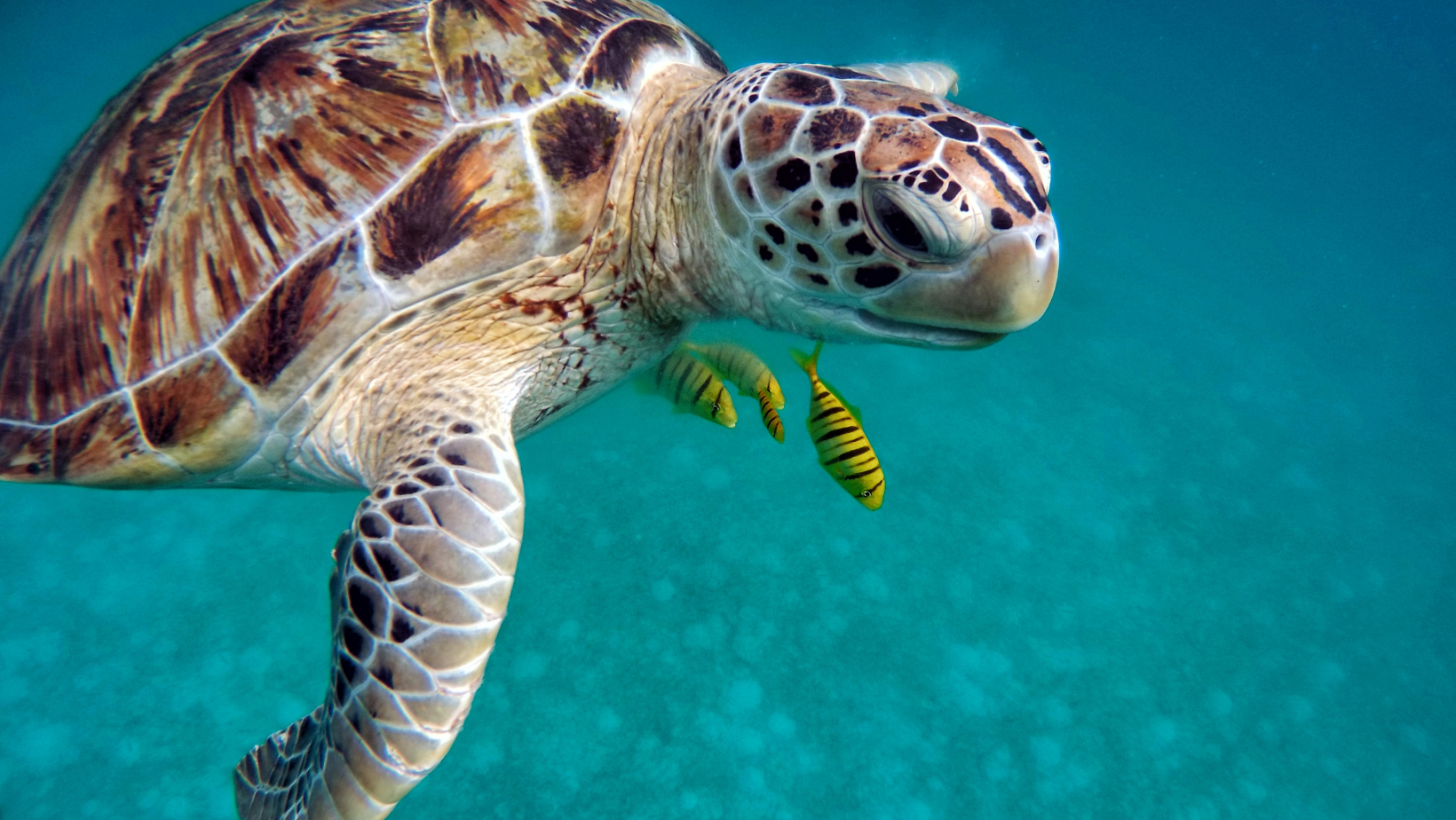
Spending only a brief time on land, sea turtles are quite different from most other turtles we know. From hatchling to adult, a lifetime at sea is no small task for these reptiles that grow so big. Join Natural Science Curator Keith Rittmaster on World...

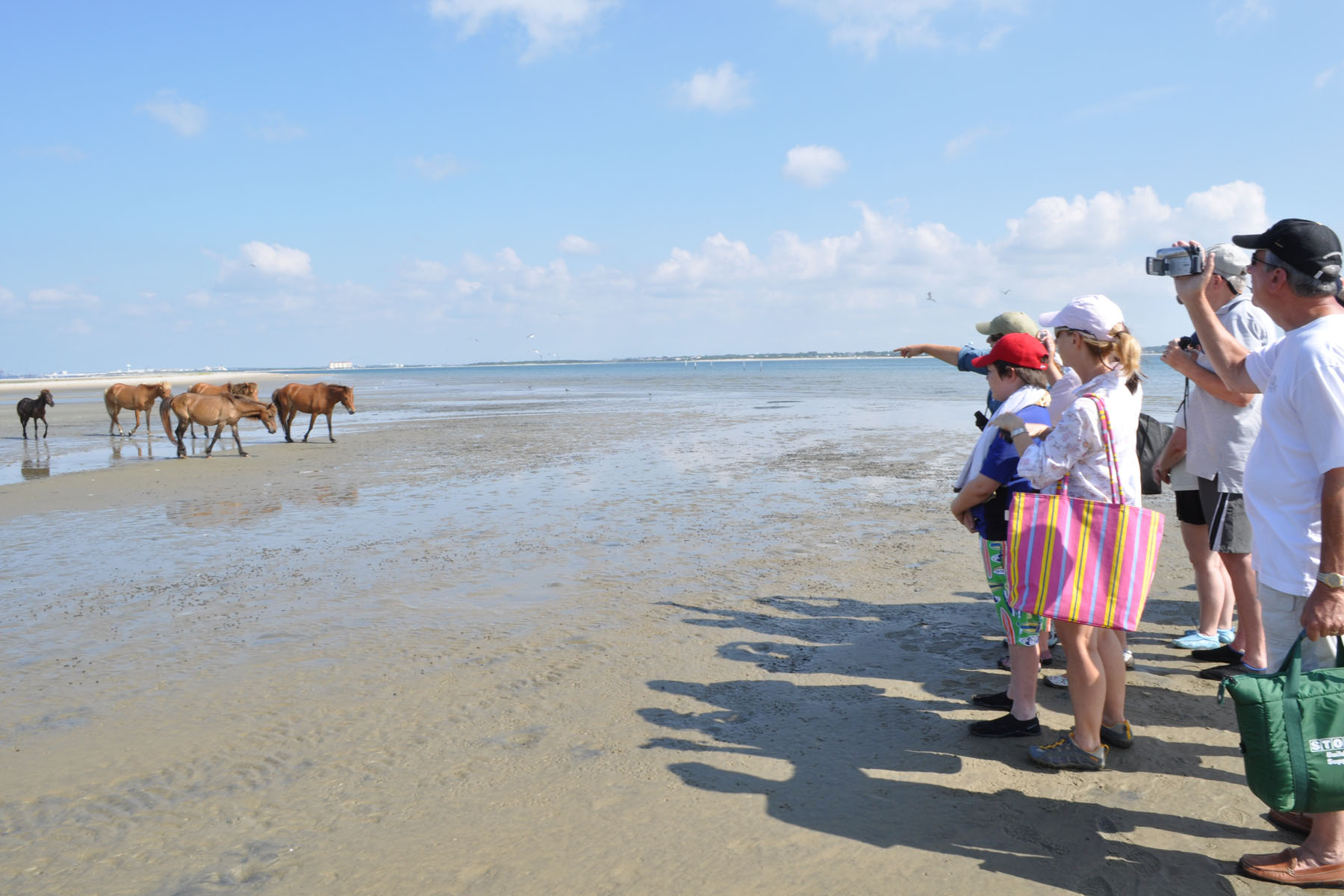
Experience Outer Banks history and wildlife with a guided hike on Shackleford Banks, part of the Cape Lookout National Seashore. Participants will take a ferry to an undeveloped barrier island. This field trip requires hiking through sandy terrain for about 1.5 miles. The program is...

Experience Outer Banks history and wildlife with a guided hike on Shackleford Banks, part of the Cape Lookout National Seashore. Participants will take a ferry to an undeveloped barrier island. This field trip requires hiking through sandy terrain for about 1.5 miles. The program is...

Experience Outer Banks history and wildlife with a guided hike on Shackleford Banks, part of the Cape Lookout National Seashore. Participants will take a ferry to an undeveloped barrier island. This field trip requires hiking through sandy terrain for 2 to 2.5 miles. The program...

Experience Outer Banks history and wildlife with a guided hike on Shackleford Banks, part of the Cape Lookout National Seashore. Participants will take a ferry to an undeveloped barrier island. This field trip requires hiking through sandy terrain for 2 to 2.5 miles. The program...